Get in Touch With Us

hello@mindzmap.com

Call Us Our Creator

+91 99406 19605

MindzMap(HQ) - India

Tambaram Sanatorium,
Chennai – 600045, Tamil Nadu, India

Copyright © . MindzMap Digital Solutions. All Rights Reserved.

How Does Your Web Design Affect Your eCommerce Website?

We live in a world where the very first impression leaves the strongest mark, and can establish a powerful first impression for the maximum impact. Not having the right or aesthetic elements in place can tremendously hurt the chances of gaining prospects or driving conversions.

So whether you are an entrepreneur or a small business aiming to improve your site’s appearance, or make an impact, this blog is for you.

Ecommerce website design plays a crucial role in the success of ecommerce websites, influencing user experience, brand perception and ultimately the sales. Here are the key ways in which your web design can affect ecommerce:

This engagement can be achieved through various means, such as:

Your First Impression

First impressions are formed within seconds of a visitor landing on a website. A well designed site can create a positive impression, nurturing trust and encouraging users to explore further. Conversely, a poorly designed site can lead to immediate mistrust prompting potential customers to leave quickly.

User Experience and Navigation

Effective web design enhances user experience by ensuring that the site is easy to navigate. Users must be able to find information quickly and complete purchases without frustration or difficulty. A seamless navigation experience can significantly reduce bounce rates and increase the likelihood of conversions.

The Competitive Advantage

In a crowded online marketplace, a professional and appealing web design can help a business stand out from competitors. A unique design that aligns with the brand identity can attract more visitors and create a memorable experience, which is essential for customer retention.

Search Engine Optimization (SEO)

Web design impacts SEO, as search engines favour well structured and visually appealing sites. A good design can improve a site’s ranking in search results, leading to increased visibility and traffic. This interplay between web design and SEO is vital for attracting potential customers.

Trust and Credibility

A professional looking website instils confidence in users. Elements such as secure payment options, clear contact information, and user friendly layouts contribute to a perception of reliability. Trust is particularly important in eCommerce, where customers are asked to share personal and financial information.

Better Sales

Ultimately, effective ecommerce website design can lead to higher sales. A visually appealing and functional website encourages users to spend more time browsing, which increases the likelihood of purchases. Studies indicate that good web design can significantly boost conversion rates and overall revenue.

The Checkout Process

A simplified and distraction free checkout process can reduce cart abandonment rates. Features such as progress indicators and multiple payment options can enhance the user experience during this critical phase.

Effective Call to Action (CTA)

Strategically placed and visually appealing CTA buttons guide users towards making purchases, and improving the overall conversion rates.

Multimedia Content

Videos, audio clips and image galleries can significantly increase user engagement by providing varied content formats that cater to different preferences.

Social Media Integration

Strategically placed and visually appealing CTA buttons guide users towards making purchases, and improving the overall conversion rates.

Apart for all these, it is imperative to have clear menus, the right search functionality and a proper responsive design to ensure that the site functions well on all screen sizes, reduce bounce rates and keep users engaged.

In summary, investing in high quality web design is essential for ecommerce businesses. It not only enhances user experience but also builds trust, improves SEO and drives sales, making it a critical component of any successful online strategy.

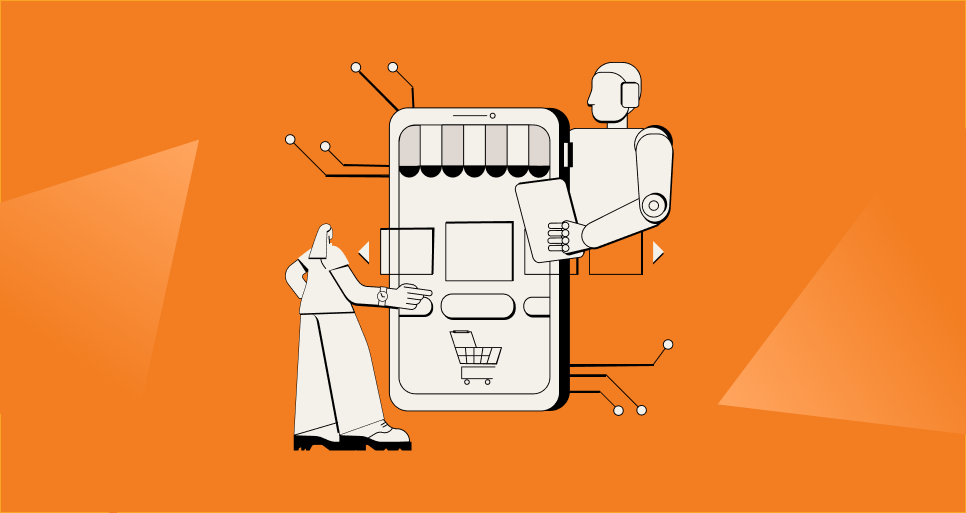
The Ultimate Guide to Creating a Seamless Online Shopping Experience

Creating a seamless online shopping experience is essential for the success of ecommerce website development . But, first of all let us understand why it is so important. It is very significant because it instils a sense of loyalty and increases the number of returning customers. And of course the whole process is significant, as it is very helpful in preventing cart abandonment.

This involves optimising various aspects of the shopping journey. So, we have uncovered the secrets for achieving a frictionless online shopping experience.

Here are some of the key reasons why storytelling is so important in branding:

User Friendly Website Design

A clean and intuitive website design is crucial. The homepage should be visually appealing and easy to navigate, with a responsive layout that functions well on all devices, including desktops, tablets, and smartphones. The colour scheme and design elements should evoke trust and professionalism, encouraging customers to explore further.

Efficient Product Information

Providing accurate and detailed product information is vital. High quality images, comprehensive descriptions and clear specifications help customers make informed decisions. Features such as zoomable images and user reviews can enhance transparency and build confidence in the products offered.

Streamlined Checkout Process

The checkout process is often the final hurdle in the purchasing journey.
To minimise cart abandonment, it should be as efficient as possible:

Cart Page

Display a clear summary of items, including product names, quantities, prices, and total costs. Allow users to adjust quantities, remove items, or apply discounts easily.

Billing Page

Limit the number of input fields to essential information. Auto fill options for returning customers,real time validation for data entry and multiple payment options (like credit cards, PayPal, etc.) can significantly enhance user experience.

Success Page

After completing a purchase, provide a confirmation page that summarises the order and next steps, reinforcing a positive experience.

Consistent Branding

A checkout page that reflects the overall branding of the website can enhance customer trust. Consistent design elements, colours and logos reassure customers they are in a secure environment.

Incorporating trust signals, such as security badges and payment processor logos, can further instil confidence in the transaction process.

Accessibility and Inclusivity

Ensuring that the website is accessible to all users, including those with disabilities is essential. This includes providing alternative text for images, implementing proper heading structures and ensuring keyboard navigation options are available. Accessibility nurtures an inclusive shopping environment and can expand the customer base.

Continuous Improvement and Feedback

Regularly evaluating the effectiveness of the online shopping experience is crucial. Tracking key metrics such as website traffic, conversion rates, and customer feedback can provide insights into areas for improvement. Adapting strategies based on data and customer insights in your ecommerce website development ensures that the shopping experience remains optimal and competitive.

By implementing these strategies, businesses can create a seamless online shopping experience that not only meets customer expectations but also drives loyalty and satisfaction in the competitive ecommerce landscape. In addition to all these, you must work on optimising the website speed, mobile responsiveness, user friendliness of the navigation and quality of the visuals.

How to Use AI and Automation to Enhance Your eCommerce Business?

Artificial intelligence (AI) and automation are transforming the ecommerce landscape, offering businesses powerful tools to streamline operations, personalize customer experiences, and drive growth. If you have to think beyond ecommerce website development, you can leverage these technologies to enhance efficiency, boost sales, and stay ahead of the competition.

Here’s how you can harness the power of AI and automation to take your online business to new heights:

Personalized Product Recommendations

AI-powered recommendation engines analyse customer data, including browsing history, purchase behaviour, and preferences, to provide tailored product suggestions. By serving relevant items, you can increase the chances of conversion and boost average order value. Tools can automate this process, delivering personalized recommendations and targeted marketing messages.

Intelligent Chatbots and Virtual Assistants

AI chatbots and virtual assistants can enhance customer service by providing 24/7 support, answering common queries and facilitating simple transactions. These tools use natural language processing to understand customer inquiries and deliver accurate responses. By freeing up human agents to focus on more complex issues, you can improve response times and reduce operational costs.

Dynamic Pricing Optimization

AI-powered dynamic pricing allows you to adjust product prices based on factors such as supply, demand, and competitor pricing. By analysing vast amounts of data, pricing optimization tools can predict demand and determine the optimal price point to maximize profits. This strategy helps you stay competitive while ensuring you’re not leaving money on the table.

Intelligent Inventory Management

AI and machine learning can streamline inventory management by forecasting demand, optimizing stock levels, and reducing waste. By analysing historical sales data, customer trends, and external factors, these systems can predict future demand and recommend optimal inventory levels. This helps minimize stock outs, overstocking, and the associated costs.

Predictive Analytics and Sales Forecasting

AI enables ecommerce businesses to leverage predictive analytics for sales forecasting and demand planning. By analysing past sales data, customer behaviour, and market trends, these tools can predict future sales and identify potential risks and opportunities. This information helps you make data driven decisions, optimize marketing strategies and allocate resources more effectively. To implement AI and automation in your ecommerce business, start by identifying specific pain points or areas for improvement. Develop a clear strategy, focusing on narrow use cases that align with your overall business objectives. Leverage third-party expertise and build a minimum viable product (MVP) to test and refine your approach. As you gain experience and gather more data, you can scale your AI and automation efforts to drive greater efficiency and profitability

By embracing AI and automation, ecommerce businesses can enhance customer experiences, streamline operations, and gain a competitive edge in the rapidly evolving digital landscape. Going beyond ecommerce website development, you can harness the power of these technologies and discover new opportunities for growth and success.

We will let you know the leaps and bounds of our custom tailored solutions, along with stories of success.

MindzMap(HQ) - India new-tab

Tambaram Sanatorium, Chennai - 600045, Tamil Nadu, India.

MindzMap(HUB) - Singapore new-tab

75 High Street, Singapore.

MindzMap(HUB) - Belgium new-tab

Mitwit Antwerpen De Keyserlei 60C, 2018 Antwerpen, Belgium.

MindzMap(HUB) - UK new-tab

Khan City, 77 The Broadway, Southall - UB1 1LA, United Kingdom.

MindzMap(HUB) - USA new-tab

710 Lakeway Drive, Suite 200, Sunnyvale, CA 94085, USA.

Get in Touch With Us

hello@mindzmap.com

Get in Touch With Us

hello@mindzmap.com
up-arrow