Get in Touch With Us

hello@mindzmap.com

Call Us Our Creator

+91 99406 19605

MindzMap(HQ) - India

Tambaram Sanatorium,
Chennai – 600045, Tamil Nadu, India

Copyright © . MindzMap Digital Solutions. All Rights Reserved.

How to Redesign a Website Without Losing SEO Ranking?

We now live in a very disruptive era where everything is evolving continuously all the time. Even your website which is the primary digital footprint of your business would need a revamp or a fresh look at some point of time.

But, it is the responsibility of SEO companies to handle the transition with subtlety and care, in order to ensure that the transition does not create a negative impact on the rankings.

We understand it is a critical task, but would recommend the following steps to help you ensure the consistency of your rankings. It has got to do mainly with Technical SEO.

Analyse Your Current SEO Performance

Use Google Analytics and Google Search Console to review data on queries, rankings, and other metrics. This will help you determine which pages are performing best in search rankings and generating the most traffic. Identify your top performing content to prioritise keeping in the redesign.

Plan Your Content Structure

Map out new content and keywords and organise them into topic clusters. Ensure new content has relevance to your audience while building a solid SEO structure. Plan which URLs have to be redirected for avoiding 404 errors, when pages are deleted or moved.

Implement Proper Redirects

Use 301 redirects to tell Search Engines that a page has moved permanently to a new URL. Redirect visitors and search engine bots to the appropriate URL on the new site. Avoid creating 404 errors which can reduce your search rankings.

Optimise Your Technical SEO

Create an XML sitemap to help search engines quickly find and index your pages. Ensure your website has fast page load speeds, as this is a ranking factor. Use robots.txt to block search engines from indexing pages during the redesign process.

Monitor and Analyse After Launch

Google Analytics and SEMrush can help you to track SEO progress after the redesign. Periodically analyse your SEO strategy and refine it based on results. Maintain your website’s content and structure going forward to avoid disrupting rankings.

Must Do’s

In addition to all these, it is recommended you monitor everything, right from the rankings to backlinks, the domain authority, speed and safety of the website. A must remember thing is not to make changes when your website is live as this can be extremely damaging for you. It is advisable to disable your present website while redesigning it. The smartest thing can be setting up your new website on a different domain and exchanging that with your original website when that is ready.

By following these steps and working with an SEO company , you can successfully redesign your website while maintaining or even improving your search rankings. The key here is careful planning, prioritising your top content, implementing proper redirects such as 301, optimising technical SEO, performing detailed audits and continuously monitoring your results.
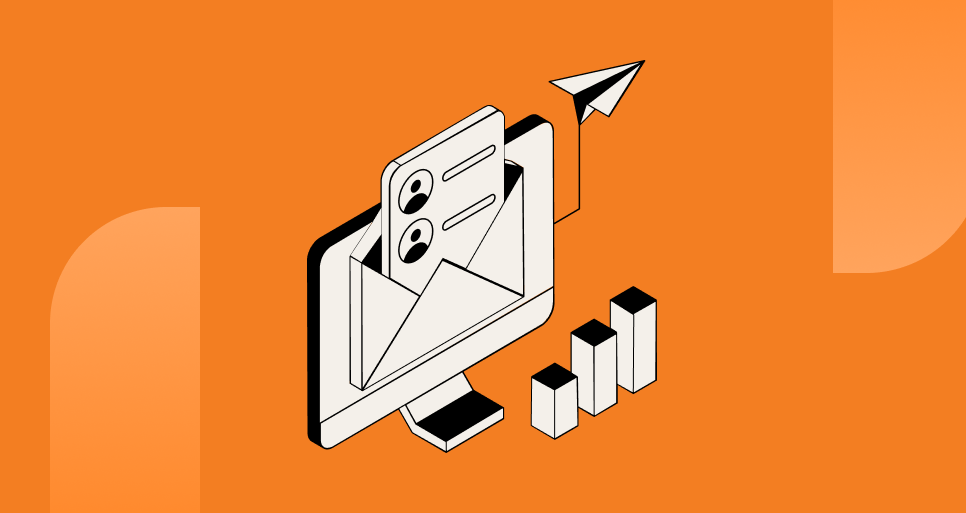

How to Create an Effective Email Marketing Strategy?

Your email marketing strategy is extremely crucial for determining the success of your email campaigns.

Creating an effective email marketing strategy involves several key steps that ensure your campaigns are structured, targeted, and engaging. Here’s a comprehensive guide based on the latest insights from various sources.

Here are some of the key reasons why storytelling is so important in branding:

Steps to Create an Effective Email Marketing Plan

Set Clear Goals

Establish specific, measurable objectives that align with your overall business goals. This will guide your email marketing efforts and help assess success. Goals can range from increasing sales to improving customer engagement.

Understand Your Audience

Conduct thorough research to identify your target audience. Use analytics tools to gather data on demographics, interests, and behaviours. This information will help tailor your content and improve engagement.

Build and Segment Your Email List

Focus on organic list-building techniques such as creating visible subscription forms, offering lead magnets (such as eBooks), and promoting sign-ups through social media. Segment your audience based on their interests and behaviours to send more personalised content, which can significantly boost engagement rates.

Choose the Right Email Types

Decide on the types of emails you will send, such as newsletters, promotional offers, or event invitations. Each type should have a clear purpose and resonate with your audience’s preferences.

Craft Compelling Content

Create engaging and valuable content that addresses your subscribers’ needs. Use a friendly tone, personalise messages, and include a clear call to action (CTA). Consider incorporating visuals, polls, or surveys to enhance engagement.

Optimise for Deliverability

Ensure your emails reach the inbox by following best practices for deliverability. This includes cleaning your email list regularly, checking for spam triggers, and adhering to legal requirements like GDPR.

Monitor and Evaluate

Implement A/B testing to evaluate different subject lines, content formats, and sending times. Examine metrics such as open rates, click through rates, and conversions to continuously refine your strategy.

Monitor The Competition

Keep an eye on your competitors’ email marketing strategies. Analyse their content, frequency, and engagement tactics to identify opportunities for improvement in your own campaigns.

Stay Updated on Trends

Email marketing is constantly evolving. Stay informed about the latest trends, such as interactive content and personalization techniques, to keep your campaigns fresh and engaging.

Stay Updated on Trends

Email marketing is constantly evolving. Stay informed about the latest trends, such as interactive content and personalization techniques, to keep your campaigns fresh and engaging.

Ensure Compliance and Data Responsibility

Be mindful of data privacy regulations and ensure that you collect and store subscriber information responsibly. This builds trust and maintains your reputation.

Additionally, you can grow your list organically by offering incentives like contests, discounts, or valuable content in exchange for sign ups.

By following the aforementioned steps and continuously optimising your strategy based on data, you can create an effective email marketing strategy that not only engages your audience but also drives significant results for your business.

How to Optimise Website Speed in 2025?

It is vital for any business or organisation to provide an enhanced User Experience and improve the website’s SEO in today’s scenario. So, the website speed has to be increased and the load time must be decreased in order to boost your performance.

Optimising your website speed is extremely important for any SEO strategy. Let’s take a look at some of the key techniques based on current best practices:

Website Audit

Start by auditing your website to assess its current performance. Tools like Google PageSpeed Insights and GTmetrix can provide valuable insights into load times and Core Web Vitals. This will help identify specific areas needing improvement.

Image Optimization

Images often consume significant loading time. To optimise, compress images and choose appropriate file formats (e.g., JPEG for photos, PNG for graphics). Reducing image dimensions can also help speed up loading.

Minimising Your Code

A clean and well organised code can dramatically reduce load times. Use minification tools like UglifyJS for JavaScript and CSSNano for CSS to remove unnecessary characters and comments. Additionally, eliminate unused code and plugins to streamline your site.

Cost Effectiveness

A clean and well organised code can dramatically reduce load times. Use minification tools like UglifyJS for JavaScript and CSSNano for CSS to remove unnecessary characters and comments. Additionally, eliminate unused code and plugins to streamline your site.

Browser Caching

Implement browser caching to store static files locally on users devices. This reduces the need for repeated downloads and speeds up load times for returning visitors.

Hosting Provider

Evaluate your hosting service. Shared hosting can slow down your site during high traffic, while VPS or dedicated hosting options provide more resources and better performance.

Content Delivery Network (CDN)

A CDN can distribute your content across multiple servers globally, reducing the distance data must travel to reach users. This can significantly enhance loading times, especially for international visitors.

JavaScript and CSS

Decrease the size of JavaScript and CSS files by removing blocking scripts and styles that prevent the page from loading quickly. Consider deferring non essential scripts to load after the main content.

External Scripts and Plugins

Reduce the use of third party scripts and plugins, as each adds to the number of HTTP requests and can slow down your site. Only use essential plugins and scripts.

External Scripts and Plugins

Reduce the use of third party scripts and plugins, as each adds to the number of HTTP requests and can slow down your site. Only use essential plugins and scripts.

Server Response Time

Ensure your server responds quickly to requests. This can be achieved by optimising databases, using faster server technologies and ensuring your server is not overloaded.

Monitoring and Testing

Regularly test your website’s speed using tools like Google Lighthouse or Cloudflare Observatory. Continuous monitoring allows you to identify and rectify performance issues promptly. By implementing these strategies, you can significantly enhance your website’s speed, improving user experience and potentially increasing conversion rates.

By incorporating all the above in your SEO strategy, you can significantly enhance your website’s speed and performance, leading to improved user satisfaction and higher search engine rankings.

How Does Digital Marketing Grow E-commerce Business?

The e-commerce industry is booming, but competition is growing just as fast. Having an online store is no longer enough—you need visibility, traffic, and loyal customers. That’s where digital marketing comes in. By using the right strategies, digital marketing helps e-commerce businesses attract the right audience, increase sales, and build long-term growth.

How digital marketing can transform your e-commerce business:

Reaches the Right Audience with Precision

Unlike traditional marketing, digital marketing allows you to target specific audiences based on demographics, interests, and behavior. Through Google Ads, Facebook Ads, and Instagram promotions, your products are shown to people who are most likely to buy them, maximizing return on investment (ROI).

Boosts Visibility with SEO

Search Engine Optimization (SEO) ensures your store ranks higher in search results when customers are looking for products. For example, if someone searches for “best perfumes in Malaysia” and your e-commerce site is optimized, you’ll appear at the top, driving free, organic traffic that converts.

Builds Trust Through Social Media Marketing

Social media platforms like Instagram, TikTok, and Facebook are not just for engagement—they’re marketplaces. By sharing engaging posts, user-generated content, and influencer collaborations, digital marketing builds trust and brand awareness that convert followers into loyal buyers.

Drives More Sales with Paid Ads

Paid advertising is a powerful way to scale. Platforms like Google Shopping Ads and Meta Ads put your products in front of potential customers instantly. With features like retargeting, you can reach customers who visited your website but didn’t complete their purchase—bringing them back to buy.

Improves Customer Retention with Email Marketing

Digital marketing doesn’t stop at the first purchase. Email campaigns help e-commerce stores build long-term customer relationships. By sending personalized offers, product recommendations, and updates, you keep your brand top-of-mind and encourage repeat sales.

Enhances Shopping Experience with Content Marketing

Content marketing blogs, videos, and product guides help customers and build credibility. For example, if you sell skincare, posting blogs about “best routines for glowing skin” not only attracts traffic but also positions your brand as an authority, increasing the chances of conversion.

Provides Insights Through Analytics

One of the biggest advantages of digital marketing is measurable results. Tools like Google Analytics and Meta Insights show where your traffic comes from, what products sell best, and which campaigns generate the most revenue. These insights help refine strategies and boost growth continuously.

Digital marketing is the backbone of e-commerce success. From increasing brand awareness and targeting the right audience to boosting conversions and retaining customers, it gives businesses the tools they need to scale online.

If you’re running an e-commerce business, investing in digital marketing isn’t just an option—it’s a necessity. The right strategy can take your store from being just another website to becoming a thriving, profitable brand.

The Role of SEO in Driving Organic Traffic

Search Engine Optimization is a very essential aspect of any business that exists today. There is an inherent ambition or goal to drive traffic to the website. SEO becomes the preferred choice, as SEO strategies are considered to be cost effective, and known to work well on the long term basis. This is in sharp contrast with PPC marketing that attracts visitors instantly, but ceases to do so once the allocated amount is spent.

Different Types of SEO

Let us see the different types of SEO that can drive traffic to your website.

On page SEO

The changes done within the code of the website come under On-page SEO and are mainly to do with incorporating the most relevant keywords and tag structures. It also involves checking your website loading time and mobile friendliness.

Off page SEO

The changes done outside the framework of your website comes under Off-page SEO. When you build links from external sources pointing out to yours, it ensures more traffic and paves the way for higher rankings.

Technical SEO

You can optimise your site’s technical aspects especially such as the Robots.txt file, XML Sitemaps and the overall architecture. By improving these technical aspects, you can improve Search rankings that can in turn drive traffic to your website.

Local SEO

Local businesses can mainly focus on this to attract customers who are looking for the products or services offered by them locally. We will also see the role of SEO in driving organic traffic for online businesses.

Improved Visibility

SEO unquestionably gives you an improved visibility as people usually have the tendency to click on the top search results appearing in the SERPs (Search Engine Result Pages). This not only drives more organic traffic, but also increases the possibility of being found out by the target audience.

Long Time Sustainability

Once the foundation for SEO is set properly, you do not have to worry unlike paid advertising where traffic keeps coming to your website only and until the budget is exhausted.

Evolution and Trends

With the ever evolving digital landscape, working from an SEO standpoint ensures paying attention to many aspects such as user experience and trends, which can give a competitive edge to the business as a whole.

So, to conclude it would not be wrong to say that an effective SEO strategy paves the way for extensive web traffic to your website.

The Power of Social Media Advertising for Your Business

Social Media Marketing has a profound impact on all businesses today. With its distinct organic and paid aspects, it certainly can work wonders for aspiring businesses. With billions of users and a huge chunk of the world’s population using Social Media, it helps you increase conversions, reach a large number of people with compelling messages to bring about huge satisfaction in business owners and stakeholders.

Let us see how exactly it can add value to your business.

Brand Equity

People are attracted to Brands or businesses that are active on Social Media. It gives an opportunity to connect with them and resolve issues, while understanding what actually is the pulse of the customer. Connecting with them in this manner forms the basis of long term relationships and this in turn can improve the equity of your Brand.

Your ROI

It has been observed consistently that having an effective Social Media strategy can help businesses target a more focussed audience. This increases the number of qualified leads and results in more conversions with a higher return on investment.

Cost Effectiveness

It certainly would not be wrong to say that Social Media has gained immense popularity because of small businesses. It also holds good the other way. Small businesses have become popular endearing to a precise target audience because of Social Media. With the option to either set a reasonable daily budget, small businesses have a tremendous potential to scale higher.

Social Media Plan

Your Social Media plan is indeed a very cohesive one which can enable marketers to easily become multichannel, if it is suitable for the business. Marketers also have the flexibility to choose the platforms where their businesses can be promoted and avoid those that are not suitable.

Content

It empowers marketers and businesses to create content that resonates with the audience, the market and the demographics as a whole. It enables you to grab attention beforehand. Creating a Social Media calendar and planning different types of posts well ahead of time can optimise the productivity of your team. As an end result, you tend to portray your brand’s image and positioning statement through unique storytelling techniques.

So, what are you waiting for? Take advantage of this Social Media Marketing to grow your business, generate leads, and increase sales or conversions.

How to Bring Your Business to Digital?

It is certainly no option for businesses to establish a strong online presence to remain competitive and reach a wider audience. In fact your entire digital marketing strategy is based on your website.

We have listed some key steps to help bring your business into the digital realm:

Develop a Professional Website

Your website serves as the digital face of your business. Invest in creating a user friendly, visually appealing, and mobile responsive website that showcases your products or services, provides information about your company, and makes it easy for customers to contact you.

Optimize Your Website for Search Engines

Ensure that your website is optimized for search engines like Google and Bing by incorporating relevant keywords, meta tags, and descriptions. This will help improve your website’s visibility and ranking in search results, making it easier for potential customers to find you online.

Leverage Social Media

Establish a presence on popular social media platforms like Facebook, Instagram, Twitter, and LinkedIn. Use these platforms to engage with your target audience, share relevant content, and showcase your brand’s personality. Regularly post updates, respond to comments, and participate in relevant discussions to build a loyal following.

Create Engaging Content

Develop a content marketing strategy that focuses on creating valuable, informative, and entertaining content for your target audience. This can include blog posts, videos, infographics, and case studies. Regularly publishing high quality content not only helps to attract and retain customers, but also positions your business as an industry expert.

Utilize Email Marketing

Email marketing remains a powerful tool for reaching and engaging with customers. Build an email list of subscribers and send them regular newsletters, promotional offers, and updates about your business. Ensure that your emails are visually appealing, mobile friendly, and provide value to your subscribers.

Implement Online Advertising

Consider investing in online advertising platforms like Google Ads or Facebook Ads to reach a wider audience and drive traffic to your website. These platforms allow you to target specific demographics, interests, and behaviours, ensuring that your ads are shown to the right people at the right time.

Analyse and Optimize

Regularly monitor and analyse your digital marketing efforts using tools like Google Analytics or social media analytics. Track key metrics such as website traffic, conversion rates, and engagement levels. Use this data to identify areas for improvement and optimize your strategies accordingly. By following these steps and continuously adapting to the evolving digital landscape, you can successfully bring your business into the digital age and reap the benefits of increased visibility, customer engagement and growth.

If you want to create your own website along with a strong digital marketing strategy, feel free to reach us anytime for a consultation.

We will let you know the leaps and bounds of our custom tailored solutions, along with stories of success.

MindzMap(HQ) - India new-tab

Tambaram Sanatorium, Chennai - 600045, Tamil Nadu, India.

MindzMap(HUB) - Singapore new-tab

75 High Street, Singapore.

MindzMap(HUB) - Belgium new-tab

Mitwit Antwerpen De Keyserlei 60C, 2018 Antwerpen, Belgium.

MindzMap(HUB) - UK new-tab

Khan City, 77 The Broadway, Southall - UB1 1LA, United Kingdom.

MindzMap(HUB) - USA new-tab

710 Lakeway Drive, Suite 200, Sunnyvale, CA 94085, USA.

Get in Touch With Us

hello@mindzmap.com

Get in Touch With Us

hello@mindzmap.com
up-arrow